
FUNCTIONAL LAB TESTING
At Harvest Functional Wellness, functional lab testing is used as a way to listen more carefully to the body, not to label or define it. These tools help us stay curious, look beneath the surface, and better understand how your body has been adapting along your health journey.
Lab testing is never about chasing numbers or forcing outcomes. It is about gathering information that helps guide priorities, pacing, and foundational support in a way your body can actually receive.
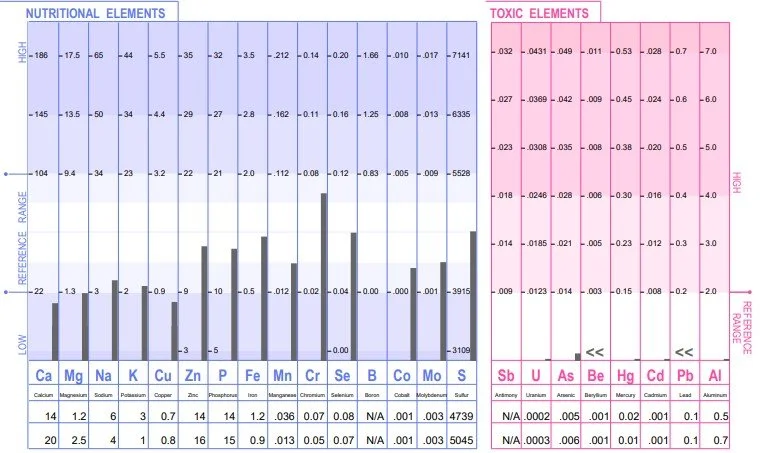
HTMA [Hair Tissue Mineral Analysis
HTMA offers a window into mineral patterns and stress response over time. Minerals play a foundational role in nervous system regulation, energy production, hormone signaling, and resilience. Rather than looking at isolated symptoms, HTMA helps reveal patterns—how the body has been compensating, conserving, or responding to long-term stress.
In practice, HTMA helps us:
Understand mineral balance and depletion patterns
Observe stress response and metabolic trends
Support the nervous system and foundational regulation
Guide nourishment and lifestyle support more intentionally
This test helps us ask better questions about what your body has been prioritizing and why.
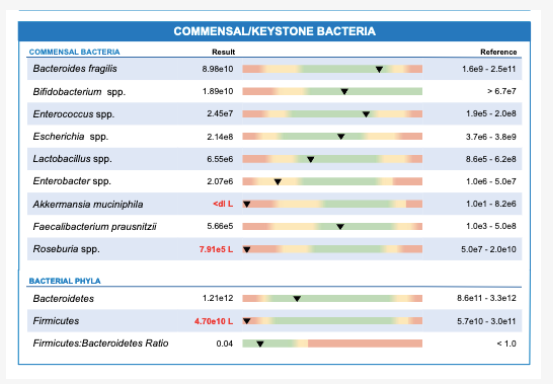
GI-MAP [Stool Test]
The GI-MAP provides a detailed look at digestive and gut health, including digestion, pathogens, fungi/yeast, inflammation markers, immune response, and microbial balance. Because the gut influences hormones, immunity, mood, and nervous system regulation, this information can be especially helpful when symptoms feel widespread or confusing.
In practice, the GI-MAP helps us:
Explore digestive function and absorption
Observe patterns related to inflammation and immune response
Better understand how gut health may be influencing systemic symptoms
Support the body’s foundations rather than chasing individual complaints
This test allows us to stay curious about how your body has been interacting with its internal environment.
How These Tools Are Used
Functional lab testing does not replace medical care or diagnose disease. Instead, these tools help inform how we support your body moving forward—what needs strengthening first, where to move gently, and how to respect the pace your body is asking for.
Together, we use this information to:
Look for patterns rather than isolated problems
Restore foundational support
Honor the body’s wisdom and capacity to respond when it feels safe
This work is about partnership, patience, and listening—so healing can unfold in its proper season.